Ensuring a baby safety goes far beyond feeding and bathing it extends to something as simple as the clothes they wear. Many parents focus on style, colours, and designs, but the real priority should always be safety and comfort. Baby skin is delicate, their movements are limited, and their bodies are still adjusting to the world. That is why choosing the right baby apparel plays a major role in their daily wellbeing.
This detailed guide covers all the essential baby clothing safety points and get more discounts on it My 1st years, that every parent, caregiver, or expecting mother should know. Each section is designed to help you make smarter, safer, and more confident clothing choices for your little one.
1. Prioritize Gentle, Breathable Fabrics
One of the most important aspects of baby apparel safety is the type of fabric used. Babies have extremely sensitive skin, and fabrics that are rough, synthetic, or chemically treated can cause irritation, rashes, and discomfort.
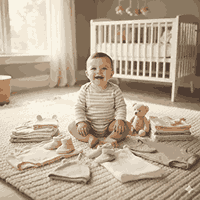
Best fabrics for babies include:
100% cotton soft, natural, and gentle on the skin
Organic cotton chemical free and ideal for sensitive skin
Bamboo fabric breathable and hypoallergenic
Muslin lightweight and perfect for warmer weather
Breathable fabrics allow air circulation, prevent overheating, and reduce the risk of skin allergies. Parents should always feel the fabric with their hands if it does not feel soft to you, it would not feel comfortable for your baby either.
2. Check for Choking Hazards in Clothing
One of the biggest dangers in baby apparel is small decorative elements. Babies explore the world with their hands and mouths, and anything loose can quickly become a choking hazard.
Avoid clothing with:
Loose or decorative buttons
Beads, sequins, or plastic add ons
Removable bows
Glitter patches
Tiny metal ornaments
If you do like outfits with small details, ensure they are firmly stitched and cannot be pulled off easily. But the safest rule is: simple is better. Basic, minimal designs are always the safest choice for babies.
3. Make Sure the Clothing Fits Properly
Choosing the correct size is not just about comfort it is also a matter of safety. Clothes that are too tight or too loose can create risks that many parents overlook.
Tight clothing can cause:
Restricted breathing
Overheating
Red marks on the skin
Irritation from friction
Loose clothing can cause:
When buying baby apparel, always check sizing charts and consider choosing slightly bigger clothes for comfort, but avoid anything excessively loose.
4. Avoid Drawstrings, Ribbons, and Long Ties
Any clothing item that includes strings, ribbons, or ties can be extremely dangerous for babies. These can cause strangulation hazards, especially while the baby is sleeping or playing.
Unsafe features include:
Hoodie strings
Waist ties
Ribbon belts
Long decorative bows
Neck straps
Always choose designs that rely on snaps, soft elastic, or stretchy openings instead of strings.
5. Choose Safe Fasteners and Snaps
Snaps, zippers, and Velcro straps are commonly used in baby apparel. However, not all fasteners are created equal.
Safety tips for fasteners:
Choose snaps instead of buttons
Check if snaps close securely without pinching skin
Ensure zippers have a fabric guard behind them
Avoid metal fasteners if your baby has allergies
Make sure Velcro is soft and does not scratch the skin
High quality fasteners make clothes safer and easier to put on and take off, especially during diaper changes.
6. Prioritize Flame Resistant Sleepwear
Baby sleepwear is held to strict safety standards for a reason. Loose or flammable clothing can be dangerous at night.
When selecting sleepwear:
Look for labels that say flame resistant
Choose snug fitting cotton pajamas
Avoid hoods, accessories, and extra layers
Do not use bulky blankets use a sleep sack instead
Comfortable and safe sleepwear helps reduce risks during bedtime while ensuring your baby stays warm and secure.
7. Inspect Seams, Tags, and Inner Linings
Sometimes the inside of the clothing can cause more discomfort than the outside. Rough seams and scratchy tags can irritate baby skin quickly.
Check for:
Soft, flat seams
No sharp stitching
Tagless designs
No loose threads
Smooth inner lining
If a tag feels rough, remove it carefully. Clothing should feel gentle on every part of your baby body.
8. Wash Baby Clothes Before First Use
Brand new clothing looks clean, but it often contains chemicals from manufacturing, dust from packaging, or dyes that may irritate the skin.
Wash with:
Hypoallergenic detergent
Fragrance free formula
Gentle washing cycle
Warm water
Pre washing removes irritants and softens the fabric, making the baby apparel much safer and more comfortable.
9. Dress According to the Weather
The way babies regulate body temperature is very different from adults. Dressing your baby incorrectly for the weather can lead to overheating or discomfort.
For summer:
For winter:
Dress in layers instead of bulky coats
Add mittens, socks, and caps
Remove outer layers indoors
Avoid overheating during sleep
Understanding seasonal dressing helps maintain your baby’s natural body temperature safely.
10. Prefer Simple Designs Over Trendy Outfits
Trendy, fashionable baby apparel looks adorable, but many stylish outfits contain features that compromise safety.
Avoid:
Simple, soft, and stretchable clothing keeps your baby safe, happy, and comfortable throughout the day.
11. Be Cautious with Swaddles and Winter Suits
Swaddling helps newborns feel secure, but improper wrapping or thick materials can cause overheating or limit movement.
Swaddle safely by:
Using thin, breathable fabric
Ensuring hips can move freely
Avoiding overly tight wrapping
Never swaddling the baby head or neck
Similarly, puffy winter suits should not be used for sleeping or in a car seat. Always remove thick layers before buckling your baby in.
12. Choose Trusted, High Quality Baby Apparel Brands
Not all clothing brands follow strict safety standards. Choosing trusted brands ensures better stitching, softer fabrics, and safer designs.
If you want good deals on safe, high quality baby apparel.
Quality brands take safety seriously, making your job as a parent easier.
Conclusion
Baby clothing safety is not something to overlook. From fabric selection to proper sizing, fasteners, seasonal comfort, and avoiding choking hazards, every detail plays a role in protecting your baby. Keeping these safety points in mind will help you choose the best baby apparel that combines comfort, protection, and peace of mind.
As long as you prioritize safety over style and follow these guidelines, your baby will stay happy, secure, and comfortable in every outfit they wear.